'모서리의 떨림' 2026. 1. 20.(Tue)- 2. 1.(Sun)
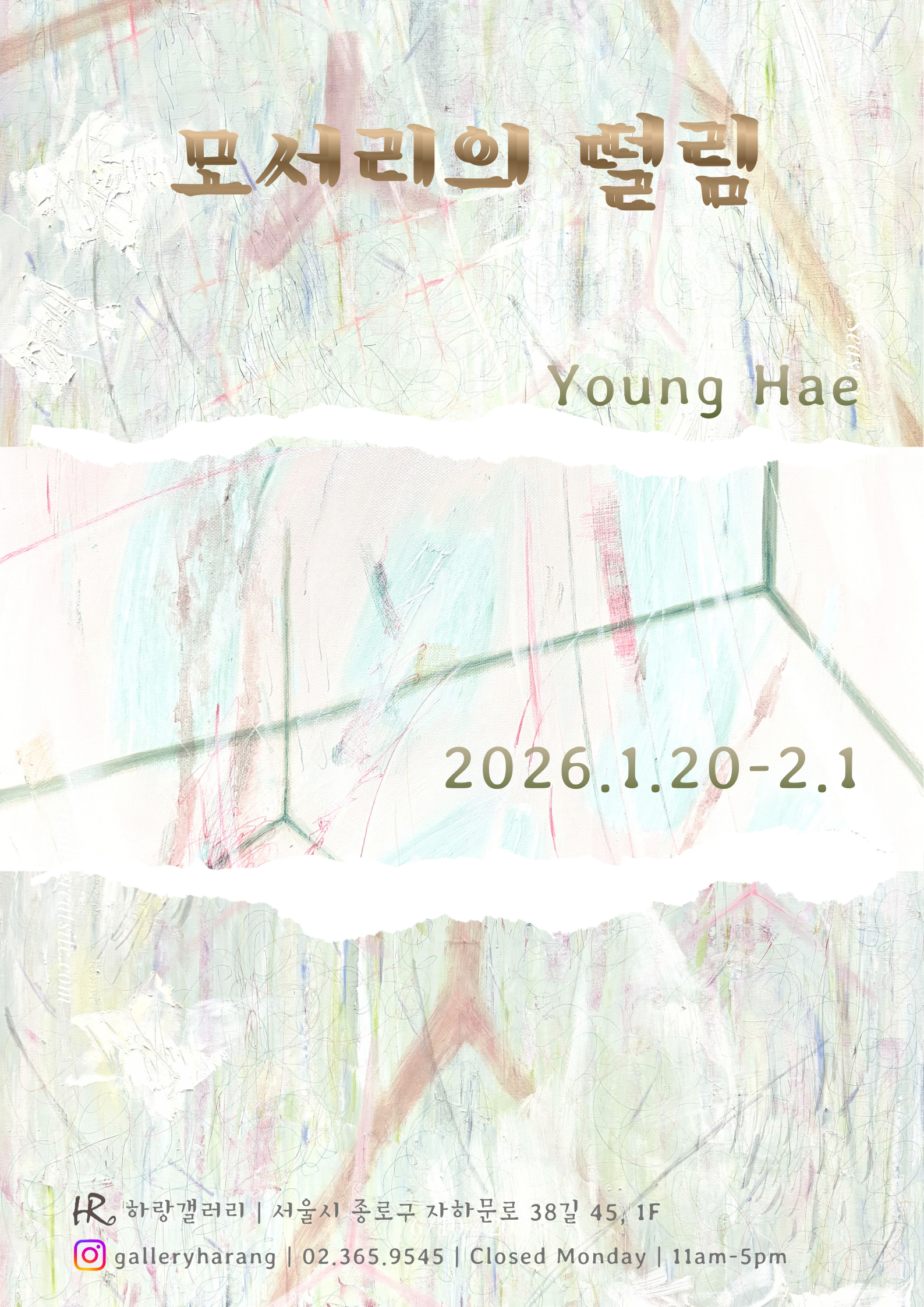
전시명 ㅣ 모서리의 떨림
작가 ㅣ 영해
전시 기간 ㅣ 2026.1.20.(Tue)- 2.1.(Sun)
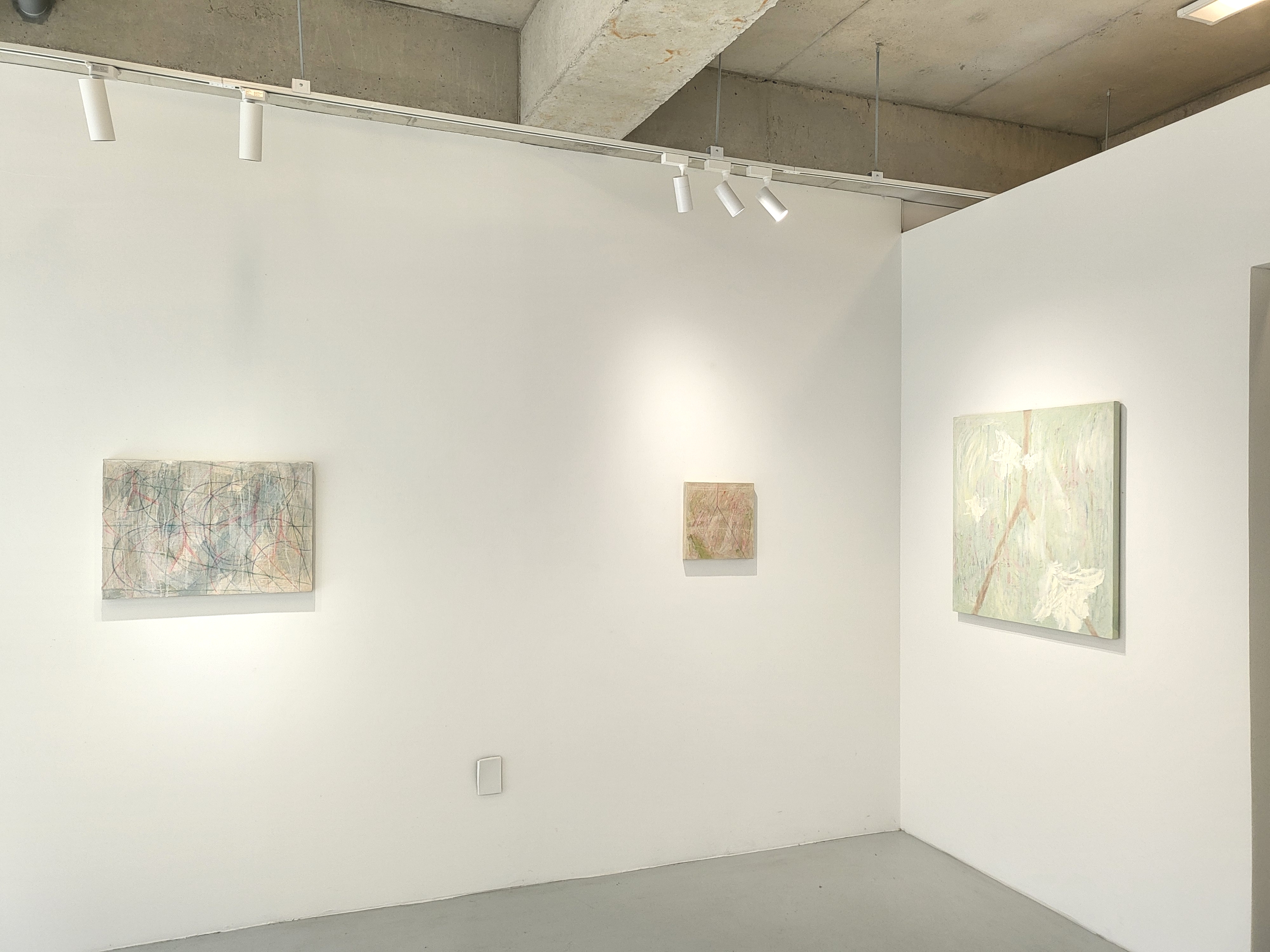
소개 ㅣ <모서리의 떨림> 은 일상의 극히 미세한 순간 속에서 불현듯 드러나는 정체성의 균열로부터 출발한다. 그것은 명확한 사건이나 서사로 포착되기보다는, 감각적으로만 인지되는 ‘구멍’ 혹은 ‘빈 공간’의 형태로 다가온다. 이 보이지 않는 공간은 언어로 규정되기를 거부한 채 점차 희미해지며, 인간이 원초적으로 품고 있었으나 이미 상실해버린 어떤 흔적으로 남는다. 이때의 정체성은 사회적 위치나 설명 가능한 개념이 아니라, ‘여기 있음’, ‘숨 쉬고 있음’이라는 존재의 최소 단위로 감각된다.
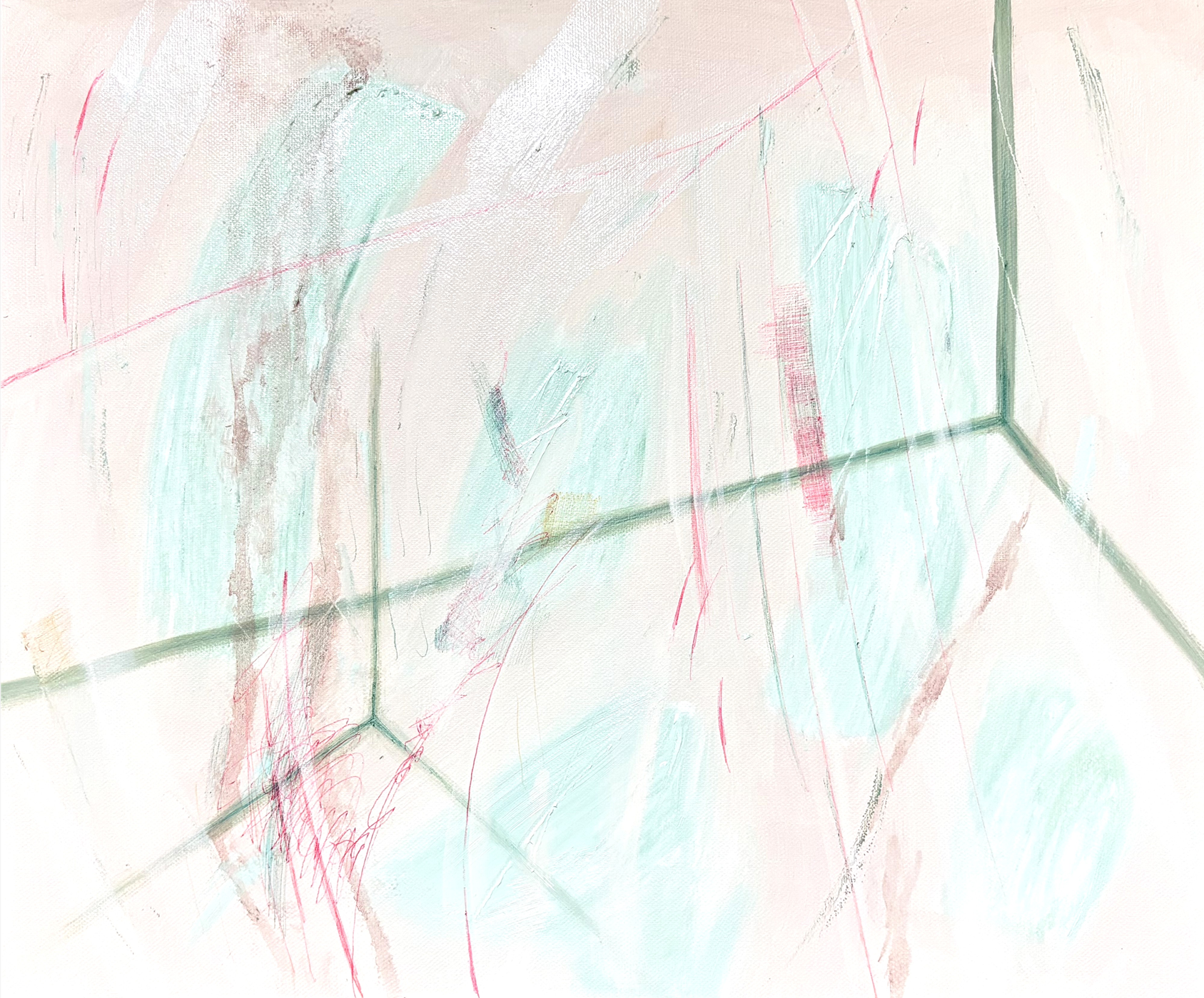
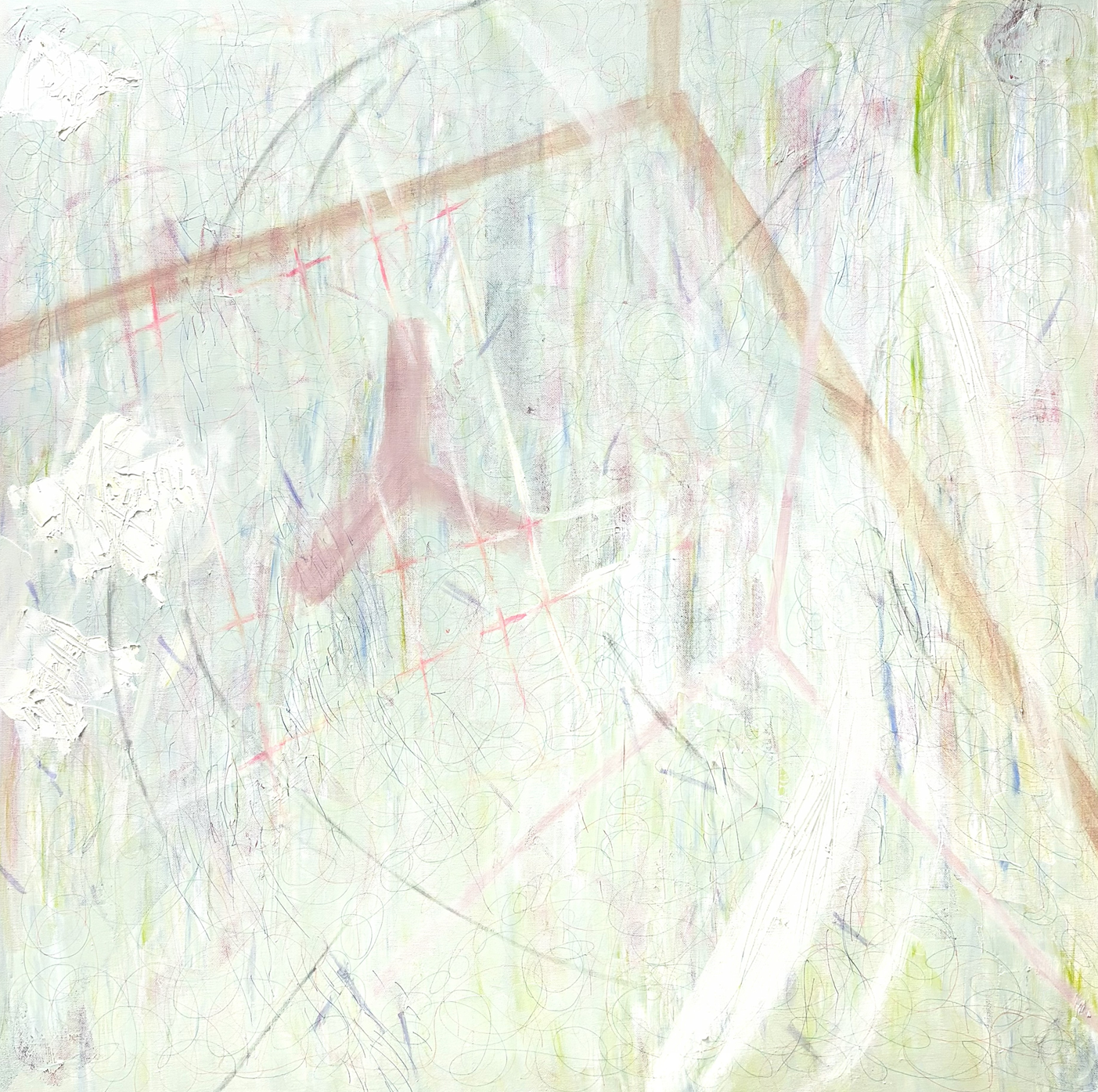
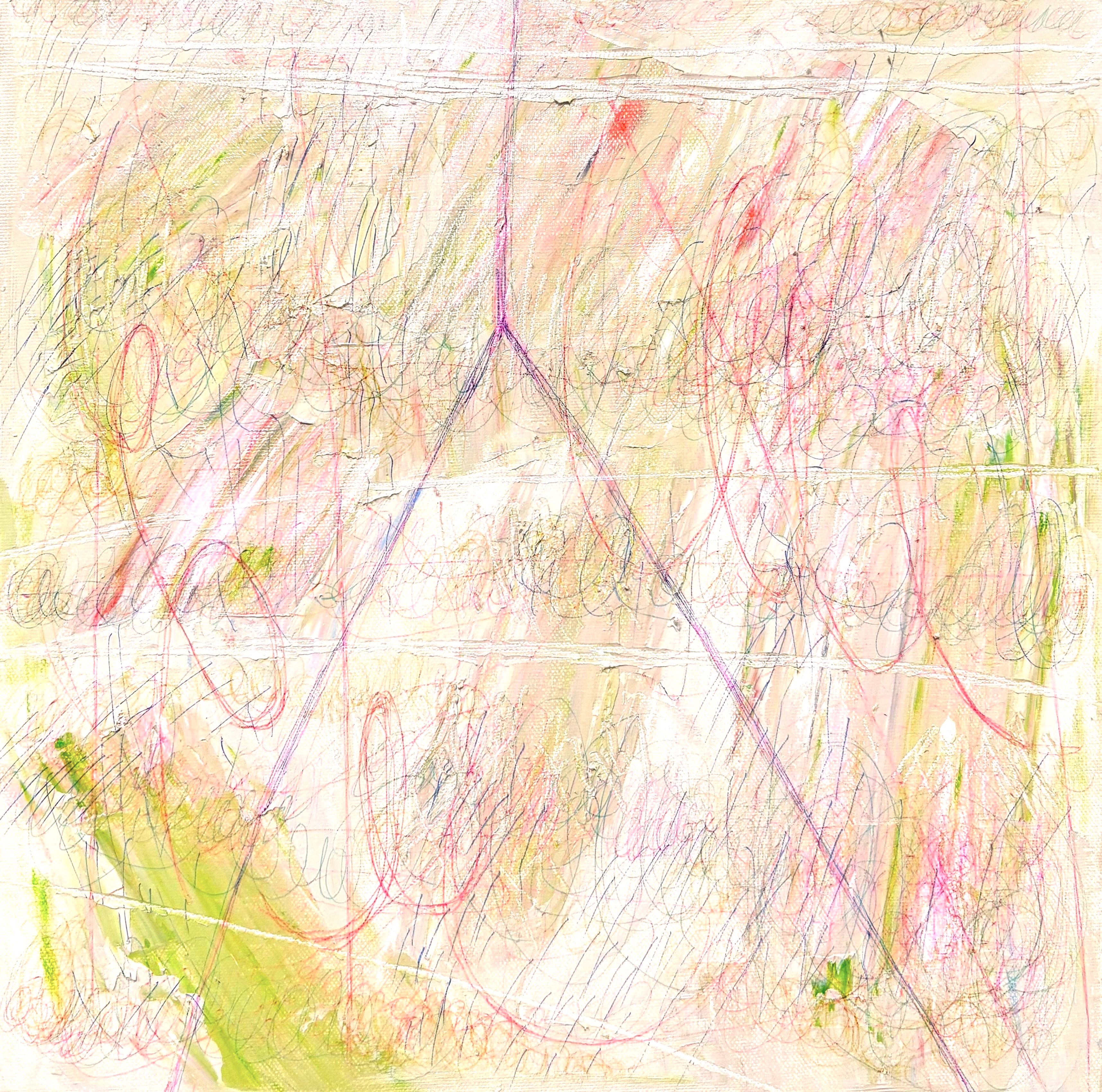
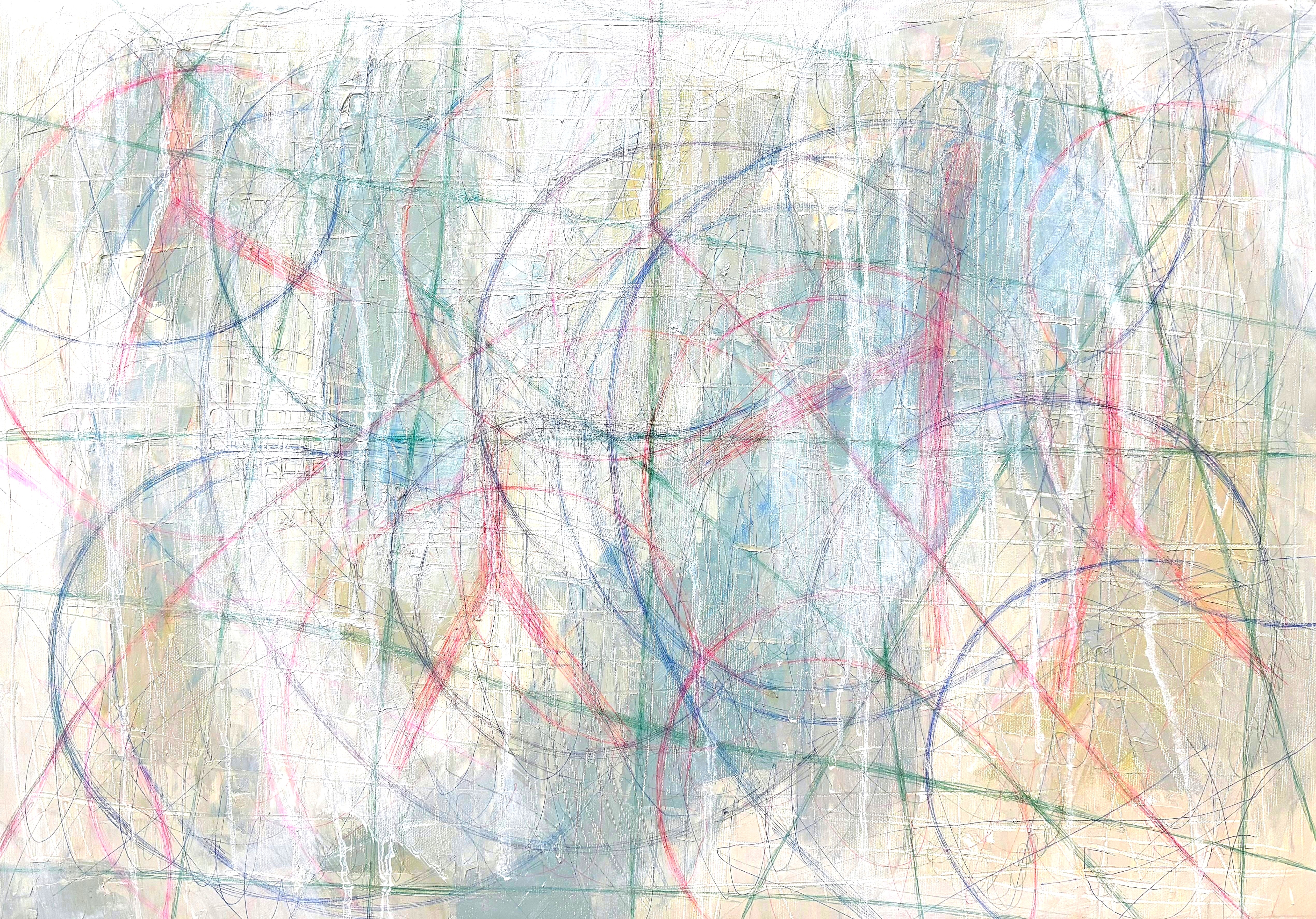
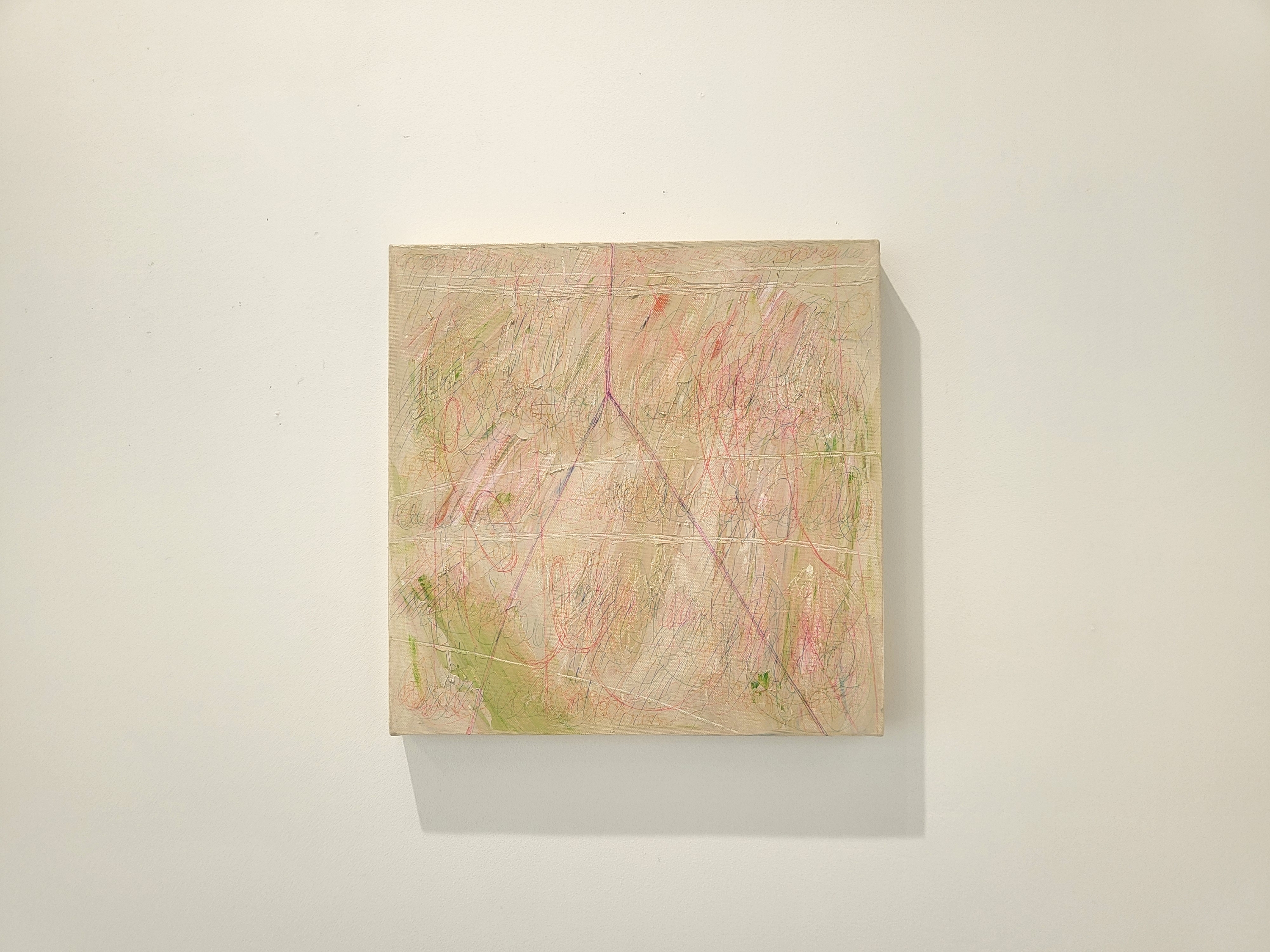
영해 작가는 이러한 감각을 구멍, 빈 곳, 얼룩, 유령과 같은 단서로 호명하며, 그것을 자신의 몸 안쪽, 즉 명확히 인식할 수 없는 영역에서 발생하는 떨림과 흔들림으로 인식한다. 이는 이성이나 언어가 닿지 못하는 차원에서 일어나는 신체적이자 존재론적인 반응이며, 캔버스는 그 진동이 남긴 흔적을 받아들이는 장소가 된다.
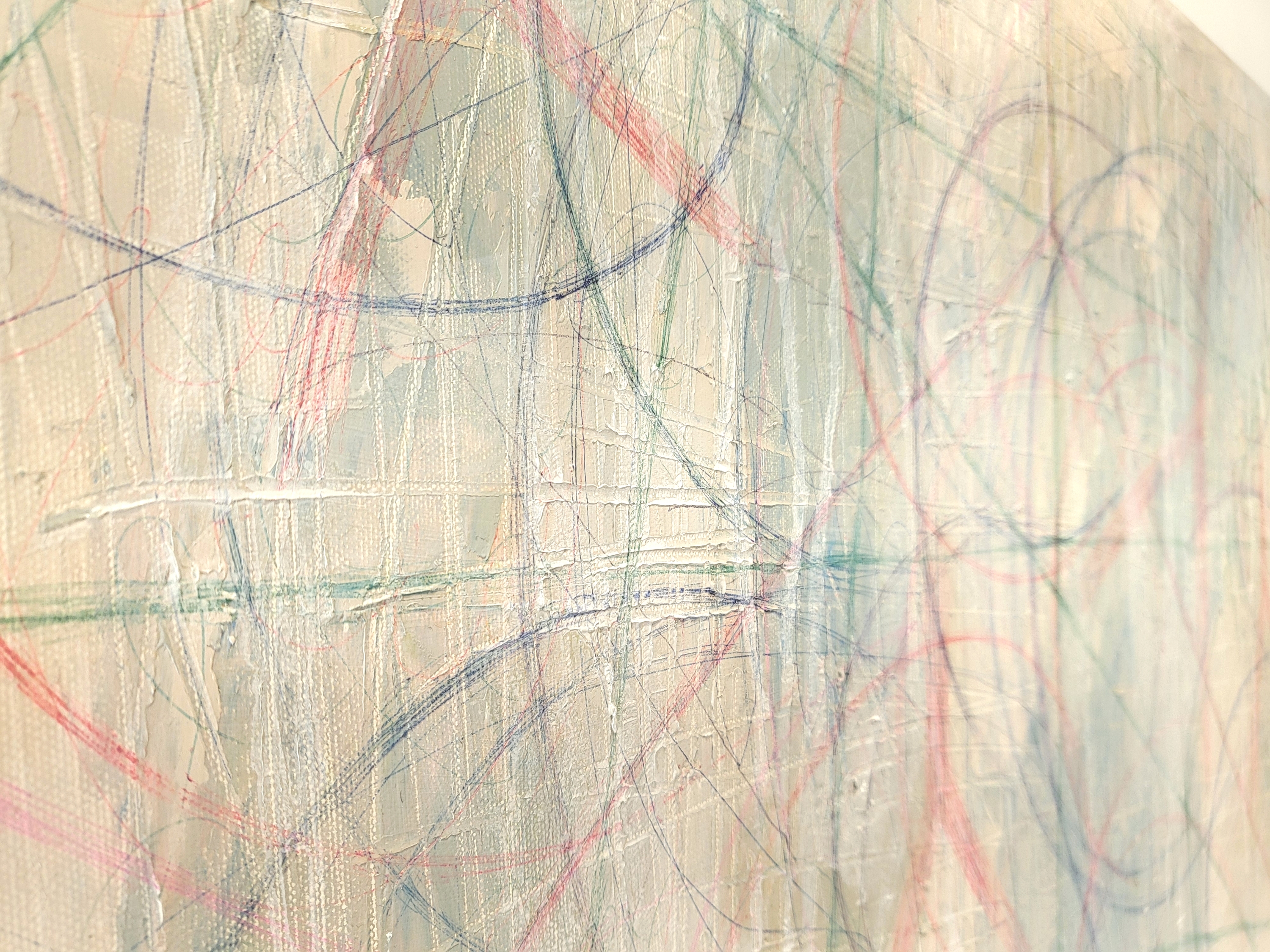
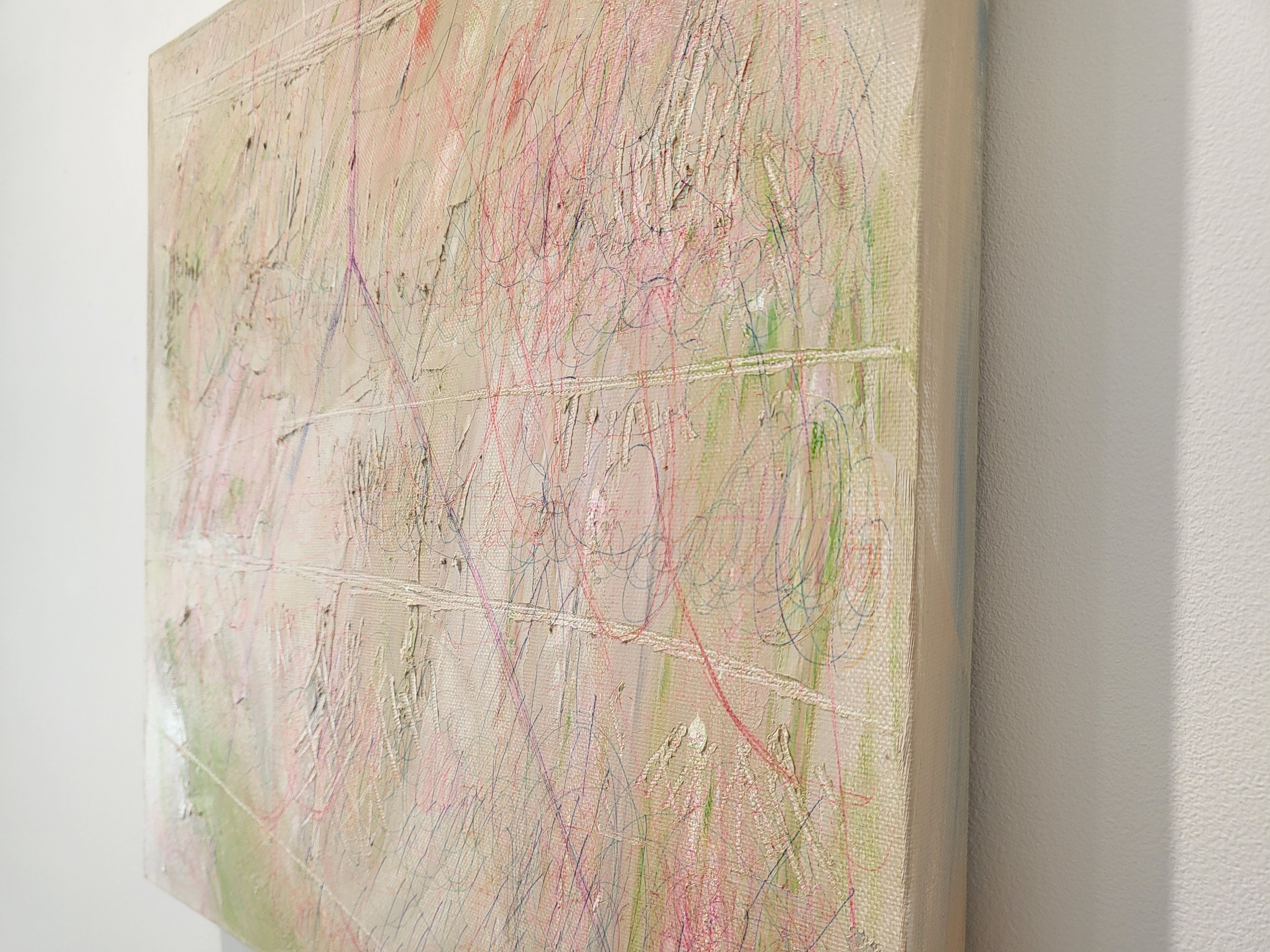
작가는 이 감각이 발생하는 지점을 ‘모서리’라 부른다. 모서리는 구멍과 닮은 내밀한 장소이자, 안과 밖, 채움과 비움, 인식과 비인식이 맞닿는 경계의 틈이다. 떨림은 바로 이 모서리에서 발생하며, 작가는 회화적 행위를 통해 그 순간을 포착하고자 한다. 어깨에서 손끝으로 이어지는 원초적인 신체의 움직임은 화면 위에 직접적인 자국으로 남고, 이는 상실된 무언가를 붙잡으려는 시도이자 존재의 안쪽을 더듬는 행위로 기능한다.
이번 전시는 명명되지 않은 빈 공간을 응시하게 하며, 우리가 애써 외면해온 정체성의 균열과 마주하도록 이끈다. 사라진 것을 복원하기보다는, 여전히 떨리고 있는 모서리 위에 잠시 머무르며 존재의 감각을 다시 호흡하게 하는 경험을 제안한다.

작가 노트
아주 작은 일상에서 불현듯 알아채게 되는 정체에 관한 충격적인 진실은, 눈에 보이지 않지만 감각적으로 느껴지는 '구멍', '빈 공간'을 마주하게 한다. 이 공간은 언어로 정의 되지 않고 점차 희미해지며, 사람이 원초적으로 품고 있었으나 잃어버린 무언가의 흔적으로 남는다. 이는 어떤 구성원으로서의 정체성으로부터 엇갈려 이성이나 단어로 설명 되지 않는 차원에서, '여기 있음', '숨 쉬는' 자체로 감각된다. 구멍, 빈 곳, 얼룩, 유령이라 불리는 이러한 단서는 알 수 없는 자신의 몸 일부-영혼이나 장기와 같은 스스로도 정확히 알 수 없는 안쪽-의 떨림과 흔들림으로 남는다.
나는 이 감각을 ‘모서리’라 부르는 공간 위로 불러와 긁기, 덮어내기, 찍기, 흘리기와 같은 회화적 행위로 포착하려 한다. 모서리는 구멍과 닮은 내밀한 장소이자 경계와 틈으로서 흔들림이 발생하는 곳이다. 이 공간에서의 몸짓은 잃어버린 무언가를 붙잡으려는 시도이며, 어깨에서부터 손 끝으로 이어지는 원초적 움직임은 화면 위에 자국으로 남는다.
하랑갤러리 ㅣ종로구 자하문로 38길 45, 1F (환기미술관 맞은편)
관람시간 ㅣ 11 am- 5 pm (월요일 휴관, Last Admission 4:30 pm, 무료관람)
문의 ㅣ(02)365-9545, galleryharang@gmail.com, Instagram @galleryharang
작품 문의 ㅣ e-mail, DM, 또는 링크트리에서 신청 부탁 드립니다. https://linktr.ee/galleryharang
* 모든 작품 이미지의 저작권은 작가에게 있습니다. 사진 제공 : 하랑갤러리
<The Tremor at the Edge> - Solo Exhibition by Young Hae
Exhibition Dates : Jan 20 (Tue) – Feb 1 (Sun), 2026
<The Tremor at the Edge> explores subtle fractures of identity that surface unexpectedly within the most imperceptible moments of everyday life. Rather than unfolding through explicit narratives or events, these fractures manifest as sensory absences—experienced as holes, voids, or gaps that evade linguistic definition. Gradually fading from articulation, these spaces persist as residual traces of something once innate yet irretrievably lost. Identity here is not positioned as a social construct or a fixed concept, but as a minimal condition of existence: the act of being present, of breathing.
Young Hae approaches these sensations through recurring motifs such as holes, stains, voids, and ghostly forms, interpreting them as tremors originating from within the body—an interior domain as elusive as the soul or internal organs, resistant to conscious perception. These responses arise on a corporeal and ontological level beyond the reach of rational thought or language. The canvas functions as a receptive field, registering the residual marks of these internal vibrations.
Young Hae identifies the point at which these sensations emerge as the “edge.” Neither fully inside nor outside, the edge is an intimate threshold where fullness and emptiness, perception and non-perception, converge. It is precisely at this liminal site that tremors occur. Through painterly gestures, Young Hae seeks to trace these ephemeral moments. Movements extending from shoulder to fingertip leave direct, unmediated imprints on the surface—gestures that operate both as attempts to grasp what has been lost and as tactile inquiries into the inner strata of existence. Rather than offering resolution or restoration, The Tremor at the Edge invites viewers to dwell within these unnamed voids and to confront the fractures of identity often left unacknowledged.
The exhibition proposes an experience of remaining, however briefly, at the still-vibrating edge—where the sensation of being may be re-encountered through quiet, embodied attention.
Artist Note
In the smallest moments of everyday life, I am sometimes confronted with a startling truth about identity. It appears not as something visible, but as sensations—“holes” or “empty spaces” that I feel rather than see. These spaces resist definition through language and gradually fade, remaining only as traces of something I once inherently possessed but have since lost. Removed from identity as a social role or a constructed position, this sensation exists beyond reason or words, felt simply as the state of being here, of breathing.
I sense these clues—holes, voids, stains, ghosts—as tremors and instabilities within an unknowable part of my body, an interior realm akin to the soul or internal organs, elusive even to myself. They do not present themselves as clear thoughts, but linger as subtle oscillations that resonate from within.
I bring these sensations onto what I call the “edge,” attempting to capture them through painterly actions such as scratching, covering, stamping, and letting material flow. The edge is an intimate, hole-like site—a boundary and a gap where instability emerges. The gestures I perform there are attempts to grasp what has been lost. Primitive movements extending from my shoulder to my fingertips leave direct traces on the surface, marking a quiet search for something unnamed yet persistently present.
Gallery Harang ㅣ1F, 45, Jahamun-ro 38-gil, Jongno-gu, Seoul
Opening Hours ㅣ 11:00 AM – 5:00 PM, Last admission: 4:30 PM
Closed on Monday, Free admission
Contact ㅣTel. +82-2-365-9545, galleryharang@gmail.com, Instagram@galleryharang
Artwork InquiriesㅣPlease DM us or contact us via email at galleryharang@gmail.com
Please apply through the Linktree link below https://linktr.ee/galleryharang